
About
An analytics practice built around cause rather than symptom.
ORIGIN Health Intelligence is an independent workforce health risk analytics company.
The gap we address
Two models shape workforce health, and neither has evolved.
Health and safety practice evolved around physical risk, and the discipline was shaped by the hazards that could be seen and measured on site. Psychological risk assessment did not follow until the Health and Safety Executive developed it in 2004, and when it arrived it was built on the physical model rather than on a model of its own. The result is that psychological risk is still assessed with an approach designed for something else.
The medical model has assessed people in siloed component parts since the 1800s, one specialism at a time. Engel proposed the biopsychosocial alternative in 1977, setting out that biological, psychological and social factors act together, yet that proposal never displaced the model it was intended to correct. Both models are intrinsically linked to the health of a workforce, and neither has evolved to reflect how health risk actually presents at work.
Meanwhile the data that would settle the question sits across separate platforms owned by separate suppliers. Health and safety records, occupational health case files, absence data, employee assistance activity, insurance claims and screening results are each held in a different system, in a different format. The risk is therefore never assessed as a whole, and the parts that are assessed are the parts that happen to be visible.
Physical
- age
- gender
- weight
- injury
- medication
- genetics
- disease
- activity
Social
- relationships
- social media/media
- work type/hours/risks
- education sports/hobbies
Psychological
- support
- trauma
- fears
- resilience
- emotions
- attitudes and beliefs
Physical and social
- lifestyle factors
- drugs and alcohol
- family/peer pressure
- utilities
Physical and psychological
- stress
- anxiety
- depression
- nutrition
- financial worries
- loss of control
Social and psychological
- family/friend stresses
- work/life expectations
- peer pressure
Where all three meet
- health status
- ill health
- injury
- physical and psychological functioning
- absence
- presenteeism
- treatment needs
- self care
The environment around them
- Air Quality, Work and Home
- Community and Social Support
- Green Spaces and Use
- Food Quantity and Quality
- Build Quality and Environment
Physical, psychological and social factors do not sit in separate boxes. They act on each other, and on the environment around them.

Where the name comes from
Interconnectivity, observed rather than assumed.
Darwin worked on his theories from 1836 and published the abstract in 1858. What he was observing was interconnectivity: how one species, and the weather, terrain and location around it, act on another. ORIGIN makes the same argument about human health risk. Personal, occupational and environmental factors act on each other, and they cannot be assessed in isolation without losing the thing that explains them.
How we work
The principles that govern the analysis.
- Independent
- ORIGIN is not a provider of clinical services and does not place benefits. It supports the integration of multiple benefits and suppliers, which means the analysis has no product to protect and no provider to favour.
- Evidence-led
- Conclusions follow the data rather than the prevailing narrative. Where a view rests on professional judgement and experience rather than measurement, ORIGIN says so.
- Integrator
- We work with the suppliers already in place. The aim is to bring their data into one analytical view, not to displace the relationships an employer has built.
- Solution-focused
- Analysis is written to be acted on. Findings set out what to change, in what order, and how the change will be measured.
- People-focused
- Individual dignity and confidentiality come first. Reporting is aggregated so that organisational risk can be understood without exposing any individual.
Chair
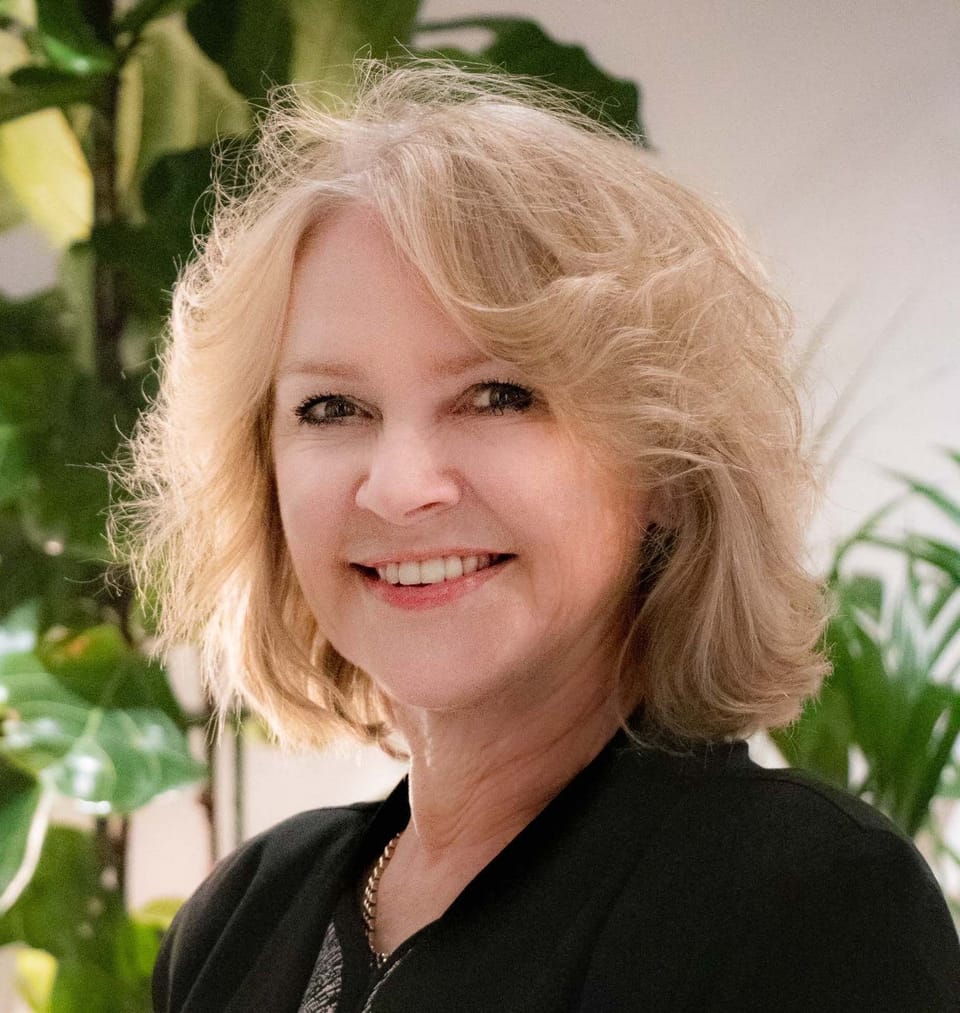
Dr Pamela Gellatly
MSc, OHS, CMIOSH, MSc ENS, PhD
Dr Pamela Gellatly is a healthcare entrepreneur and board-level leader with four decades of experience building and scaling integrated workplace health businesses. Her operational background covers sickness absence management, occupational health, private healthcare design and claims management, digital triage and biopsychosocial models of care.
She co-founded Medisure in 1982, creating the United Kingdom's first third-party claims administrator and healthcare trust models. She then built Healthcare rm from start-up to exit, developing integrated employee health management systems. In that prior role at Healthcare rm, those systems delivered £40 million of cost savings for a single client over three years, alongside a 70 per cent improvement in return to work rates across the portfolio and an employee net promoter score of plus 90. Those figures relate to her work at Healthcare rm and are not ORIGIN results.
Over twenty years at Healthcare rm the work moved beyond the presenting clinical symptom to the underlying causation. Identifying individual risk and managing the physical and psychosocial factors together reduced both the need for clinical intervention and its cost. She has worked directly with the NHS, Bupa, IHG, DHL, TUI, Centrica and major police services on data-driven wellbeing strategy.
She holds a PhD in musculoskeletal disorders alongside advanced qualifications in occupational health and in exercise and nutrition. She has shared her findings with government departments, setting out how the NHS could save considerable sums through a different approach to assessing and treating patients, and through her work with Business for Health she has set out the anomalies in benefit in kind and other taxation that restrict employer investment or work against employees.
Following her transition from executive leadership at HCML Group, she holds a portfolio of board, advisory and strategic roles across workplace health, digital healthcare and integrated wellbeing. These include Non-Executive Director at HCML in the United Kingdom, Chair of ORIGIN Health Intelligence globally, Advisory Board member for NABTA Health across EMEA, and EMEA distributor for Longitude 6.
Who we work with
We work across the market rather than at one point in it.
Employers
The outcome buyer. ORIGIN consolidates data across the suppliers an employer already has in place, and assesses the underlying cause of risk rather than the symptoms that present.
How ORIGIN fitsInsurers
An analysis layer across a book or a scheme, independent of any provider network. It shows whether the interventions being funded change the underlying risk, or only the claim, and could this be mitigated further?
How ORIGIN fitsIntermediaries
ORIGIN places no benefits, so the analysis strengthens advice rather than competing with it. It gives a client conversation that runs beyond price and beyond the renewal.
How ORIGIN fitsThird-party administrators
Correlation across the data already administered, drawn together rather than reported system by system. Client reporting can then cover outcomes rather than the volumes that were processed.
How ORIGIN fitsOccupational health providers
ORIGIN adds the psychosocial and personal risk assessment that sits outside a standard fitness for work question. The role is complementary to the clinical service already being delivered.
How ORIGIN fitsWellbeing platforms
A measurement layer independent of the platform being measured. It shows whether engagement is changing the underlying risk, rather than reporting participation and activity on their own.
How ORIGIN fitsORIGIN is not a provider of clinical services and does not place benefits. That is the whole of the independence argument. There is no commission to compete for and no provider network to protect, so the analysis can sit behind an insurer's scheme, a broker's advice, an administrator's reporting, an occupational health service or a wellbeing platform without displacing any of them.
The same independence is what an employer is buying. ORIGIN has no interest in which suppliers are used or which benefits are placed, and assesses underlying cause and the contributory risks behind it rather than the symptom that presents. Markets that could otherwise be competitors are therefore channels, since the analysis strengthens the service they already sell.
See your own data brought together.
We will walk through how ORIGIN consolidates the sources you already hold and what the resulting analysis makes visible.
Request a demonstration