
Insight · Workforce Health Risk Analytics
From workforce health analytics to health risk intelligence
Workforce health has predominantly been governed in the UK by Health and Safety. The risk assessment process that follows from it rarely considers the person, and that is where the gap between analytics and intelligence sits.
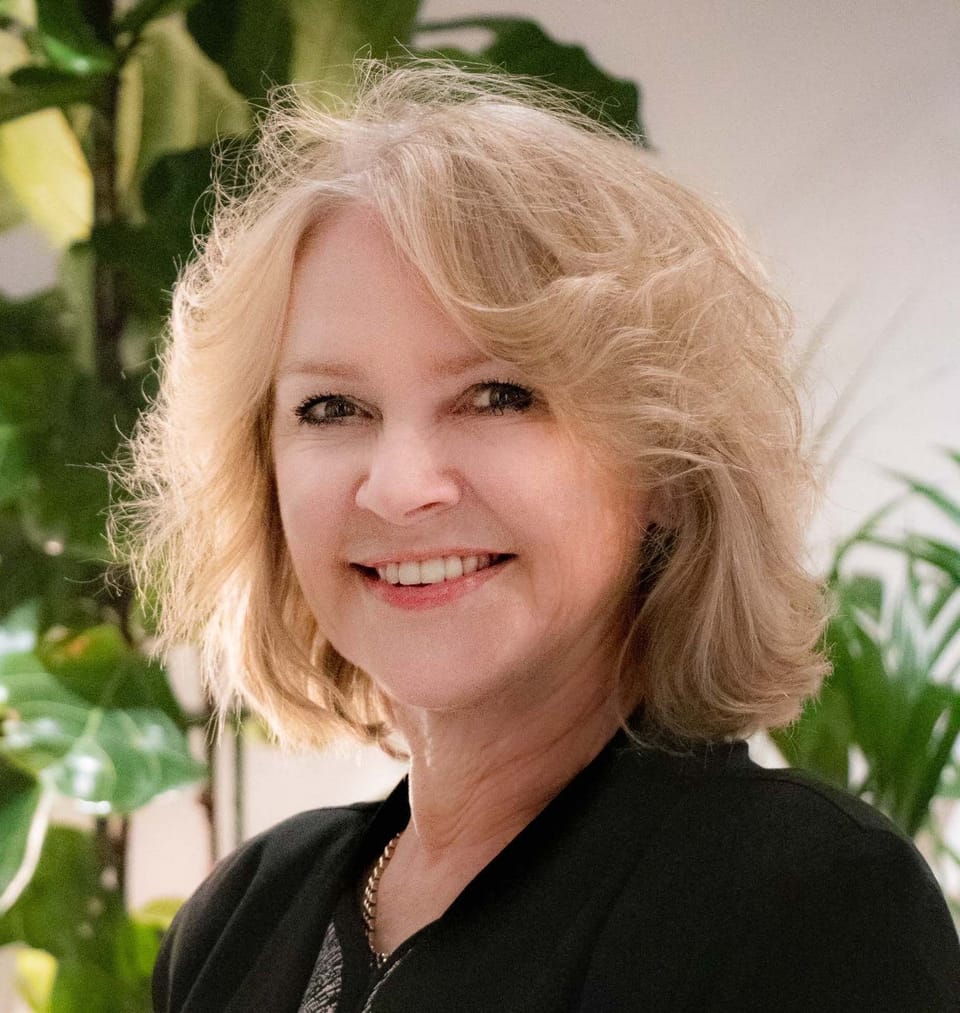
Dr Pamela Gellatly, Chair, ORIGIN Health Intelligence (MSc, OHS, CMIOSH, MSc ENS, PhD) · 17 September 2026 · 5 minute read
Workforce health has predominantly been governed in the UK by Health and Safety. Most countries throughout the World will have similar statutes, regulations and codes of practice that will be enforced by a lesser or great degree. Surprisingly, the lower level of compliance or publication of robust frameworks are present in countries that are considered as "advanced" in these areas.
In the UK there are a myriad of statutes, regulations and codes of practice of which the Health and Safety at Work Act 1974 could be regarded as the core.
The risk assessment process has been governed by the Health and Safety Executive (HSE) in the UK and many other similar bodies including the Institute of Occupational Safety and Health and the National Institute for Occupational Safety and Health.
Without travelling into the technicalities of Health and Safety there are several high-level considerations relating to assessing risk e.g.
The Five Steps to a Risk Assessment
- Identify the Occupational Hazards
- Decide who can be harmed and how
- Evaluate the risks and decide on precautions or controls
- Record your findings
- Review your assessment and update
These steps appear straightforward although not always simple for industries which are dealing with complex risks e.g. the identification and containment of substances hazardous to health governed by the COSHH regulations.
However, because the Health and Safety industry openly admits that the focus has been mostly on reducing safety risks using again another standard protocol such as:
- Eliminate the hazard. If the risk can be eliminated then this is the first step that should be considered. If not ...
- Reduce the risk. This may reduce the number of people exposed, reduce the number of times it occurs, reduce the strength of a substance, change from a powder format to a solid format, etc. If not ....
- Isolate the risk. Can it be contained within a suitable and sufficient safety barrier, can it be isolated to a specific area away from people or other hazards. If not...
- Control. Can the risk be controlled by other methods for example sound proofing to reduce the noise levels. Ventilation etc. If not ....
- PPE, as an additional control to reduce the risk further.
- Discipline. People are often the biggest risk and if they are not following their training or their company processes and procedures then the organisation should discipline individuals for any behaviour that increase their risk or the risk of others and or property and the environment.
So, what are the flaws with this?
As mentioned, the biggest risk is often the people but not just in relation to risky behaviour but many other factors that can increase the physical and psychological risks of the person and potentially the connectivity with this and the unintended consequences of this.
Examples of people risks that are often not considered when undertaking the risk assessment process
- Individual health risks may be invisible e.g., a medical condition, mental health issues, neurodiverse condition, physical fitness, psychosocial factors (including attitudes, beliefs and fears), personality, nutrition, drugs, alcohol and more.
- Visible or declared health risks may appear more obvious such as age, gender, excess weight and obesity or a disclosed medical condition or disability BUT are they always considered and understood.
Some Health and Safety professionals feel/believe that "health" is not within their remit but should be dealt with by HR or Occupational Health. To degree this may work. For example, an Occupational Health (OH) department or provider should easily be able to provide advice on:
- Whether the employee is fit to work in their specific role if not.....
- Can they work on modified duties, so adaptations to the role or the hours if not....
- Are there any interventions that can improve this situation in which case in what timescale and at what cost and are there any level of uncertainty.
- Prediction on when they could return to work on full duties.
- What modifications needs to be put in place.
- What alternative duties can the person do if the modifications are not available.
- If the person must go on or remain on absence, given the above what is the expected duration.
However, HR and OH tend to only consider the presenting clinical symptoms and not any underlying cause or contributory risks and whether these need and can be addressed. For example, a person with negative attitudes and beliefs about their condition (Yellow Flag) or their work (Blue Flag) or are likely to benefit financially (black Flag) are more likely to remain off work if these are not identified, assessed and addressed. Unfortunately, rarely are these considered and treated.
So, to understand workforce health analytics we need to broaden the scope to health risk intelligence.
What is health risk intelligence
The biomedical model use today has arguably been the dominant framework in Western medicine for roughly 150 years or more. Whilst it has evolved since the 1800s and there have been attempts to modify it further e.g. when George Engel (1977) suggested we move to a more Biopsychosocial model (see below) the core model remains.
So, when an individual visits a GP, Consultant or Occupational Health practitioner the following tends to apply:
- We are assessed by each system independently e.g., our musculoskeletal pain assessment will be based on our subjective self-report of our symptoms, from which a diagnosis may be made or
- We are further assessed via a range of diagnostics tests e.g. blood, urine, bowel or x-ray and MRI scans etc.
- Disease is seen as a biological malfunction whilst health is the absence of disease.
- The focus is mainly on the physical causes supported by scientific measurement and biological evidence as the basis for understanding the illness and deciding on the best treatment.
However, rarely assessed are:
- The psychosocial factors proposed by Engel (1977) and further developed in the nineties and noughties by a range of eminent physical and psychological practitioners including: Gordon Waddell, Kim Burton, Nick Kendall, Chris Main, Paul Watson (see sample references below).
- The physical risks relating to a person and how these may be relevant in relation to their condition and to reduce future risks for example: obesity, insufficient activity, exercise, strength and conditioning, nutrition and risks that have not progressed to a disease sufficient to seek medical advice.
- Psychosocial risks including attitudes, beliefs & fears, neurodiverse conditions, stressors from family, hobbies, work and financial worries.
- Work type, work risks, length of employment in the role, absence & presenteeism.
- Environmental issues that may be associated with air quality in buildings, commutes to work, location of home, length and type of travel and other exposures.
Therefore, a significant insight can be gained from assessing the broader occupational risk factors such as those highlighted in the Management Standards (e.g. Demands, Relationships, Change, Control, Role, & Support) with the physical and personal risks summarised briefly above.
Identification of the combined problems is Health Intelligence and as such then indicates a different approach to both Health and Safety and Health Management at and outside of work by applying a broader Biopsychosocial model.
References to follow.
About the author
Dr Pamela Gellatly
Chair, ORIGIN Health Intelligence · MSc, OHS, CMIOSH, MSc ENS, PhD
A healthcare entrepreneur and board-level leader with four decades of experience building and scaling integrated workplace health businesses. She co-founded Medisure in 1982 and built Healthcare rm from start-up to exit, and holds a PhD in musculoskeletal disorders alongside advanced qualifications in occupational health and in exercise and nutrition.