
Insight · Physical Risks and Productivity
How MSDs affect insurance and productivity
The combination of factors behind musculoskeletal disorders leads either to an increase in absence, or to a person being placed on modified duties, often for unlimited periods. Both carry a cost that is rarely recorded in full.
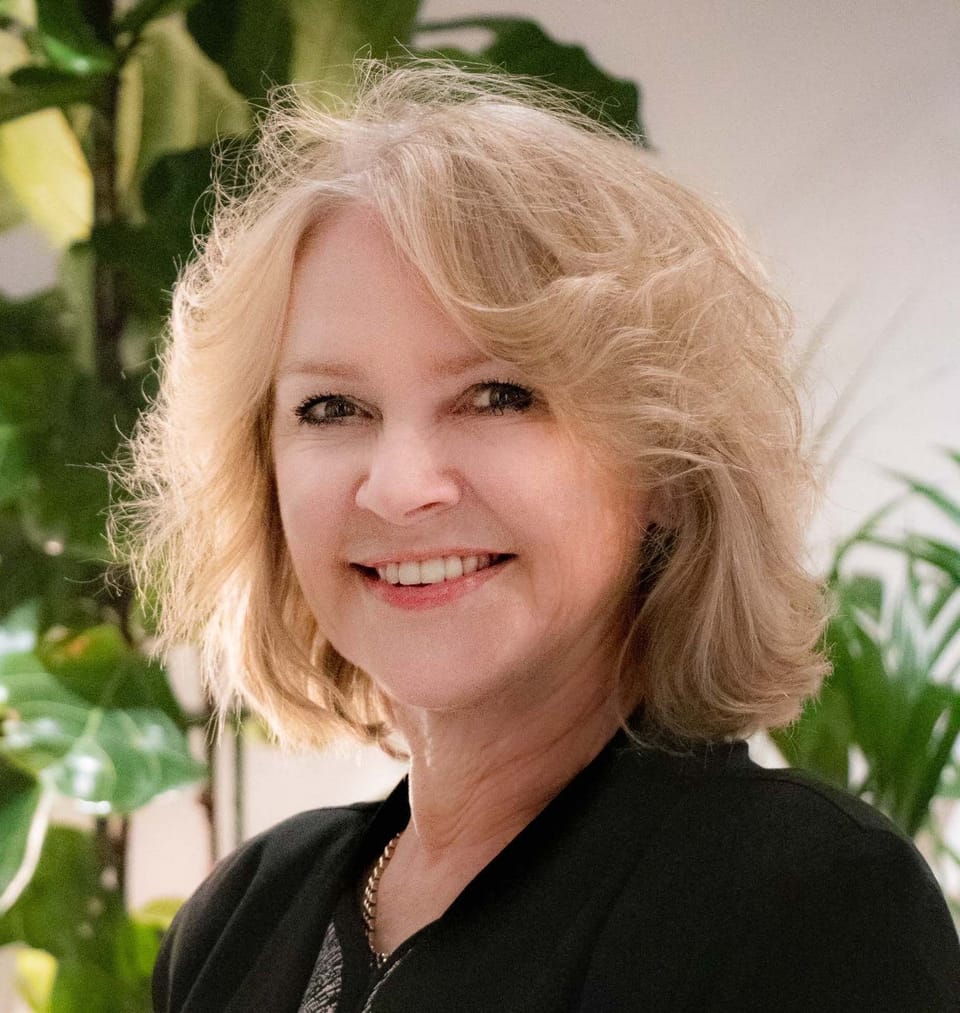
Dr Pamela Gellatly, Chair, ORIGIN Health Intelligence (MSc, OHS, CMIOSH, MSc ENS, PhD) · 2025 · 8 minute read
As outlined above, the combination of factors behind musculoskeletal disorders leads either to an increase in absence, or to the person being placed on modified duties, often for unlimited periods.
Many employers do not monitor the number of employees who are placed on some form of modified duties. These can include:
- Restricted duties
- Reduced hours
- Buddying
- Increased accidents
- Reduced ability to work at the expected pace, and therefore considered for dismissal
- Alternative duties
- Redundancy
Therefore, productivity loss and cost are rarely recorded sufficiently. The stage at which a person reaches a visible productivity loss is normally preceded by an invisible reduction in productivity. Individuals at this stage may also have a range of factors affecting their ability to work normally. These include:
- Co-morbidities
- Psychosocial factors
- Management Standard factors
- Functional issues
- Excess weight
- Lowering of physical fitness
- Increased absence
MSDs normally worsen over time, and with age, if a person does not know or tackle the range of issues that can lead to this state. This can then lead to claims or cash payments, the latter of which is subject to a taxable benefit on the whole amount, unless the condition falls into the exemption for MSDs, where the condition is likely to lead to an absence of 4 weeks or more and the intervention is under £500 (EIM21776).
Insurance claims
Insurance claims (or cash payment) can increase to aid:
- A return to work
- Prevention of an absence
- Avoidance of a long-term claim, for example Group Income Protection or Incapacity
Expected benefit can drive claims in private healthcare to include:
- Diagnostics and treatment are seen as a "right", and this can limit the understanding of whether these are necessary.
- Unnecessary diagnostics or treatment encouraged by the patient, or by the clinician who feels obliged to provide the patient what they think they need.
- Treatment seeking by the patient, which can lead to multiple consultations and diagnostics that are not necessary.
- High-cost private healthcare when the NHS may be the most appropriate option, for example post-fracture.
- High-cost private healthcare when treatment is not needed, for example post a sprain that has normal recovery times.
Group Income Protection and Incapacity
- Requests for Group Income Protection or Incapacity can arise if a person feels that they cannot continue to work in their normal job, or in any role where they feel the modified duties do not work.
- It is easy for an individual to gain the support of their GP, and often their consultant and occupational health practitioner.
- Most clinical practitioners do not consider the range of underlying causative and contributory risks.
Employers' Liability
- Fortunately, these claims are far less than they used to be, as Employers' Liability insurers have offered rehabilitation prior to a claim being requested.
- They have become more rigorous in their claims management process.
- If they accept a claim, they work to return the person to the same role, a modified role, an alternative role, or consider vocational involvement.
Therefore, in summary, MSDs have a major impact on workplace ill health and may, in many organisations, be hidden. It is important that incidence and prevalence, combined with the cost, are identified.
The figures cited in this article are the author's own, drawn from her prior professional work, and are not ORIGIN data.
About the author
Dr Pamela Gellatly
Chair, ORIGIN Health Intelligence · MSc, OHS, CMIOSH, MSc ENS, PhD
A healthcare entrepreneur and board-level leader with four decades of experience building and scaling integrated workplace health businesses. She co-founded Medisure in 1982 and built Healthcare rm from start-up to exit, and holds a PhD in musculoskeletal disorders alongside advanced qualifications in occupational health and in exercise and nutrition.